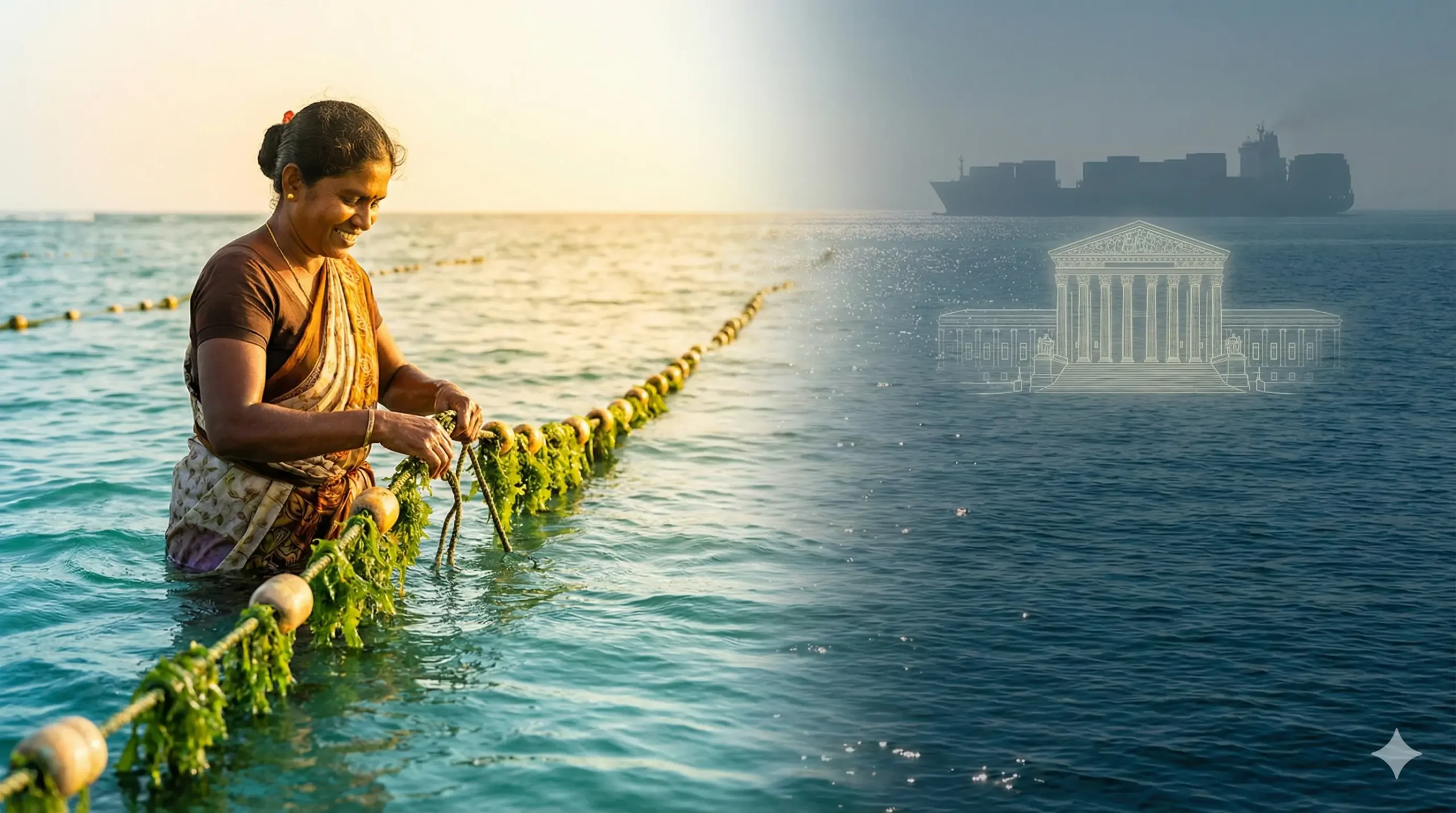
As an Island nation, Sri Lanka has harnessed the vast Indian Ocean for millennia, establishing itself as a pivotal marine trading hub. Using its strategic sea lanes, the island exported the purest of cinnamon, spices, gems, and other treasures to prominent global powers, from the Holy Roman Empire in the West to the Chinese Empire in the East. This confluence of invaluable products and strategic geography attracted not just traders but also greedy colonial powers, subjugating Sri Lanka to three European nations over four hundred years. Although Colombo shed its last colonial master almost eight decades ago, Sri Lanka has, until recently, somehow missed the bus in making expansive, modern use of its maritime domain, falling far behind its ASEAN counterparts.
The Legacy of Neglect and Unchecked Disaster
The period following independence witnessed profound neglect of the blue economy. Thirty years of ruthless civil war wrecked the national economy, stifling any space for sustainable marine activities. The ocean front of the North and East, rich in seaweed and other aquatic resources, remained a battlefront. Ironically, this conflict prevented the coastal belts in those regions from being used for large-scale exploitation. Elsewhere, however, the damage was relentless: political henchmen and powerful business entities carried out devastating development—from unregulated shrimp farms to hotels erected within marine protected areas. Poaching, IUU (Illegal, Unreported, and Unregulated) fishing by foreign fleets, and bottom trawling decimated local marine habitats and fisher livelihoods. The era culminated in a series of environmental catastrophes, most notably the M.V. X-Press Pearl disaster, which contaminated kilometers of coastline with billions of toxic nurdles and chemical pyroplastic, the long-term health and ecological impacts of which continue to be assessed.
A summarised interpretation of the country’s marine habitat since the end of colonialism reveals a grim picture. To date, usage has been largely limited to the practices of antiquity: trading and basic fishing.
The Widening Gulf: Poverty vs. Policy
The gulf between oceanic resources and the condition of the coastal communities remains stark. The absolute majority of northern fisherfolk and coastal residents live below the poverty line, suffering from acute food insecurity and a low quality of life. The ocean provides only seasonal income, leaving them unemployed during monsoon periods. Many war widows and female members of the fisher community survive on government subsidies, remaining unaware of the pending threats to their livelihoods from climate change or the potential for diverse, marine-based employment. For decades, these communities have been stuck in a vicious cycle, making them vulnerable not only to adverse climate impacts but also to discrimination and exploitation—with women being the worst affected. This socio-economic struggle is aggravated by the failure to implement a National Plan of Action for Small-Scale Fisheries, a critical governance gap that undercuts high-level policy.
New Horizons: Vision 2030 and the Geopolitical Chessboard
Despite the ground reality, the ocean-based economic potential is unprecedented. Post-2022, spurred by the economic crisis and the critical need for dollar revenue, the government, now stable and committed to the IMF reform program, has aggressively shifted focus. The state has unveiled the Blue Economy Vision 2030 and launched initiatives like the “Voyage Sri Lanka 2025” summit, targeting sustainable fisheries, marine tourism, offshore energy, and biotechnology. Furthermore, UNDP-backed efforts have established a Marine Spatial Data Repository and the Blue Investment Opportunity Mapping Tool (BIOM), providing an evidence-based framework for foreign investment and MSP implementation, areas previously lacking.
This renewed focus coincides with increasing geopolitical urgency in the Indian Ocean. Sri Lanka’s strategic location demands enhanced Maritime Domain Awareness (MDA) to combat sophisticated threats like transnational crime, IUU fishing, and cyber vulnerabilities in port logistics. Recent formalized security cooperation, including training on oil spill response with U.S. partners, underscores the global recognition of Sri Lanka’s crucial role in maritime security and disaster readiness. Crucially, in a landmark legal victory, the Supreme Court has ordered a US$1 billion compensation payment from the owners of the X-Press Pearl, setting a new precedent for environmental accountability in the global shipping industry, though the social recovery remains long.
The Actionable “Win-Win-Win” Solution
Assessing this complex background, the solution must be based on local context and capacity: a “win-win-win” model that empowers the community, protects the environment, and contributes to the national economy.
Empowerment through Sustainable Aquaculture: The immediate focus must be on Integrated Multi-Trophic Aquaculture (IMTA) and sustainable Seaweed cultivation. By engaging the majority of unemployed women as stakeholders in designated coastal zones, this sector directly addresses poverty and gender inequality.
Mitigating Climate Risk: Seaweed and seagrass projects serve a dual purpose: economic benefit and “blue carbon” sequestration, actively mitigating the climate crisis and strengthening coastal resilience against impending climate impacts.
Connecting to Innovation: The seaweed sector must be directly linked to the new BIOM tool and R&D institutes to foster a marine-based startup culture, creating alternative, biodegradable products that replace the non-degradable materials that contributed to the X-Press Pearl disaster.
Sri Lanka, located in a region highly vulnerable to devastating climate impacts and geopolitical shifts, remains in a fragile state. With its economic recovery underway but still susceptible to external shocks, the very ocean that can tip the balance towards prosperity could turn into the country’s worst nightmare if governance fails. If the authorities and the citizenry fail to act decisively to bridge the gap between high-level vision and grassroots vulnerability at the needed hour, it will be a day late and a dollar short for the Island nation.

Dhanuka Dickwella is a distinguished Sri Lankan poet, author, and multifaceted professional whose work spans literature, geopolitics, and social activism. Holding a Master’s degree in International Relations, he has established himself as an expert in geopolitics and geoeconomics, fields that inform his analytical and creative endeavours.
His professional portfolio includes significant editorial and journalistic roles: he serves as the Executive Editor of The Asian Reviews magazine, a platform dedicated to bridging the literary worlds of East and West. Additionally, he contributes as a guest writer for the Chicago-based Armenian Mirror-Spectator, focusing on geopolitical issues in the Caucasus region, and as a columnist and guest speaker for Force, an Indian magazine addressing security and defense matters. Dickwella’s career in public service is equally notable. Dhanuka Dickwella is the Chief Coordinator for Canada for the Panorama International Literature Festival 2026. He has been actively involved in Sri Lankan politics, having served as a grassroots politician, political campaign director, and council member of a local government body in a rural Sri Lankan town. Prior to his political engagements, he founded and led a foundation dedicated to empowering youth and supporting underprivileged communities, reflecting his commitment to social equity. Currently, he advises youth groups on political activism and broader political trends, leveraging his extensive experience to foster the next generation of civic leaders. Beyond his analytical and political pursuits, Dickwella is a celebrated poet and blogger whose literary work explores the complexities of human emotion and experience. His debut poetry collection, Voices of Lust, Love and Other Things, showcases his ability to weave personal narrative with universal themes. An ardent climate and social activist, he champions sustainable development and social justice, driven by a vision of a better world for future generations. A proud Sri Lankan patriot, Dickwella is also a devoted father to his daughter, whose influence is a cornerstone of his personal and creative life. Dhanuka Dickwella’s diverse achievements reflect a rare synthesis of intellectual rigor, artistic expression, and civic dedication, positioning him as a prominent voice in both Sri Lankan and global contexts.
Leave a Reply