Redefining the Incomplete Man
The term metrosexuality, coined by the British writer Mark Simpson, is relatively new, yet its definition has already calcified into something surprisingly shallow. We hear the portmanteau, ‘’ metropolitan and heterosexual’’, and immediately conjure an image of a man meticulous about his personal style, grooming, and physical appearance.
At its core, the common description focuses heavily on a man who invests effort, time, money, and self-confidence to keep himself physically desirable.
But where, in this classical description, is the acknowledgment of the man who invests in his mental health, his intellectual status, or his emotional happiness? Where is the effort to acquire new talents, to cultivate depth, or to sharpen his perspective? These essential components of self-worth are glaringly absent from the accepted narrative.
The Consumerist Trap
The classical definition’s laser-focus on the purely physical,grooming, style, appearance,has allowed the subject, and the men who embody it, to be seamlessly integrated into the sprawling grooming industry. From hygiene producers to luxury perfume houses to gym memberships, the ‘metrosexual’ man has become less a cultural phenomenon and more a captive consumer. His self-investment is often measured solely by the cost of his clothes or the complexity of his skincare routine.
This reductive packaging ignores the fact that this pursuit of physical refinement is hardly a modern concept. The idea that a man takes care of his appearance existed throughout time in highly developed civilizations.
Think of the Romans, the Assyrians, or the Babylonians; they all had a class of men,primarily aristocrats and elites, who obsessed over presentation. Perhaps they didn’t spritz Hugo Boss, but they certainly used natural oils, imported creams, elaborate public baths, and tailored tunics. Tailors and groomers were essential professions. While dedicated gyms did not exist in the modern sense, war-related sports and rigorous training served a similar purpose, linking physical prowess directly to social status.
The only thing that truly did not exist was the term itself. The difference is thankfully democratic: modern-day metrosexuality does not require one to be the son of a Rothschild to use deodorant, get a sharp haircut, or apply a bit of moisturizer.
The Narcissist
In many circles, metrosexual men are simply judged as vain and narcissistic. Their crime? They are in love with themselves and their urban lifestyle. I’m not sure whether all narcissists are metrosexuals or all metrosexuals are narcissists. But it all comes down to the shallow depth of the original definition. Like anything in the world, adopting a metrosexual lifestyle is a personal choice. It is neither a political statement nor a method of obtaining exclusivity in a limited higher circle.
The Missing Inner Man
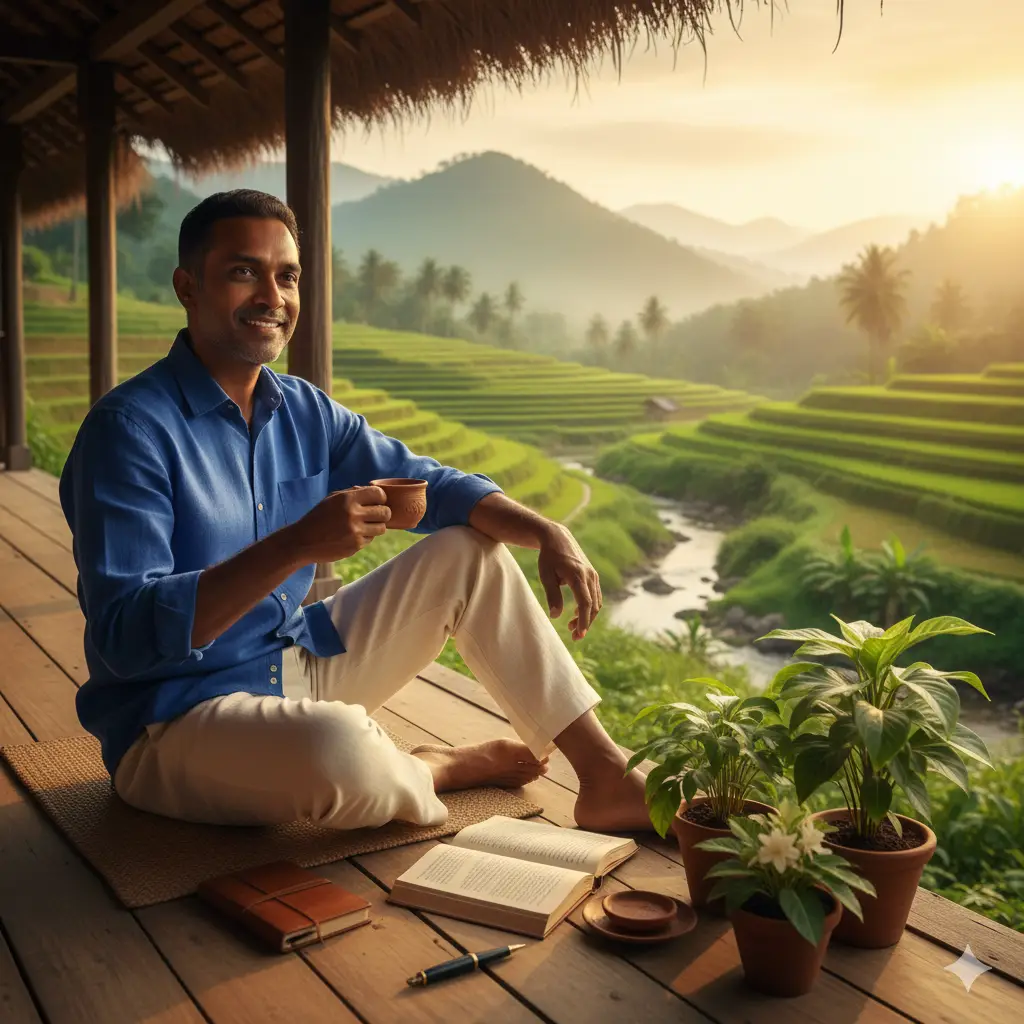
The deepest flaw in the current narrative is its failure to recognize that investment in one’s outer presentation is often merely the visible extension of a deeper, more holistic self-care.
Modern men are not just spending their entire wealth on beauty products and reading fashion magazines from dusk till dawn. They are equally investing their time and discipline in yoga, Pilates, mindful walking, CrossFit, or meditation. They understand a basic truth that the consumer narrative conveniently ignores: What beauty is truly sustainable without inner beauty?
The man who pays meticulous attention to his wardrobe often pays similar meticulous attention to his discipline, his routines, and the cultivation of his inner landscape. The desire to present a refined exterior is often rooted in the desire to feel capable, grounded, and intellectually engaged.
To define the metrosexual man solely by his investment in his physical shell is to reduce him to a walking billboard for the beauty industry. The true modern man, the complete man, understands that self-care is a comprehensive project, requiring as much effort in the intellectual gym as in the physical one. Next time you hear the term, look beyond the affluent, white, urban men and the need to exclude working-class or Global South masculinities. It is time the definition evolved to reflect the whole man, not just the one we see in the mirror, limiting them to designated spaces or cultures.
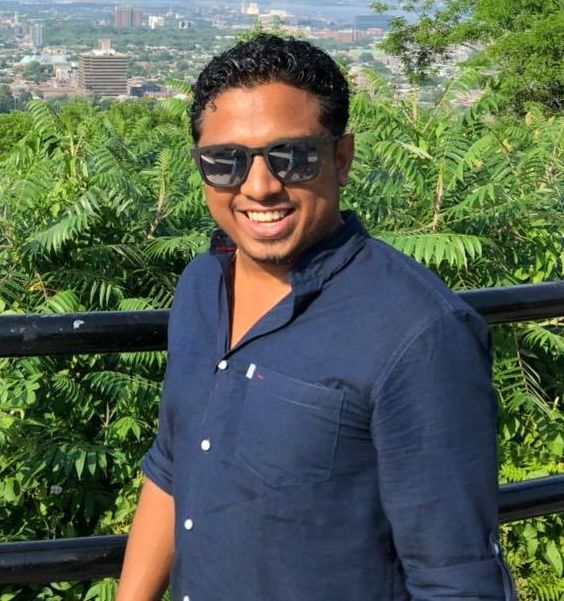
Dhanuka Dickwella is a distinguished Sri Lankan poet, author, and multifaceted professional whose work spans literature, geopolitics, and social activism. Holding a Master’s degree in International Relations, he has established himself as an expert in geopolitics and geoeconomics, fields that inform his analytical and creative endeavours.
His professional portfolio includes significant editorial and journalistic roles: he serves as the Executive Editor of The Asian Reviews magazine, a platform dedicated to bridging the literary worlds of East and West. Additionally, he contributes as a guest writer for the Chicago-based Armenian Mirror-Spectator, focusing on geopolitical issues in the Caucasus region, and as a columnist and guest speaker for Force, an Indian magazine addressing security and defense matters. Dickwella’s career in public service is equally notable. Dhanuka Dickwella is the Chief Coordinator for Canada for the Panorama International Literature Festival 2026. He has been actively involved in Sri Lankan politics, having served as a grassroots politician, political campaign director, and council member of a local government body in a rural Sri Lankan town. Prior to his political engagements, he founded and led a foundation dedicated to empowering youth and supporting underprivileged communities, reflecting his commitment to social equity. Currently, he advises youth groups on political activism and broader political trends, leveraging his extensive experience to foster the next generation of civic leaders. Beyond his analytical and political pursuits, Dickwella is a celebrated poet and blogger whose literary work explores the complexities of human emotion and experience. His debut poetry collection, Voices of Lust, Love and Other Things, showcases his ability to weave personal narrative with universal themes. An ardent climate and social activist, he champions sustainable development and social justice, driven by a vision of a better world for future generations. A proud Sri Lankan patriot, Dickwella is also a devoted father to his daughter, whose influence is a cornerstone of his personal and creative life. Dhanuka Dickwella’s diverse achievements reflect a rare synthesis of intellectual rigor, artistic expression, and civic dedication, positioning him as a prominent voice in both Sri Lankan and global contexts.
Leave a Reply