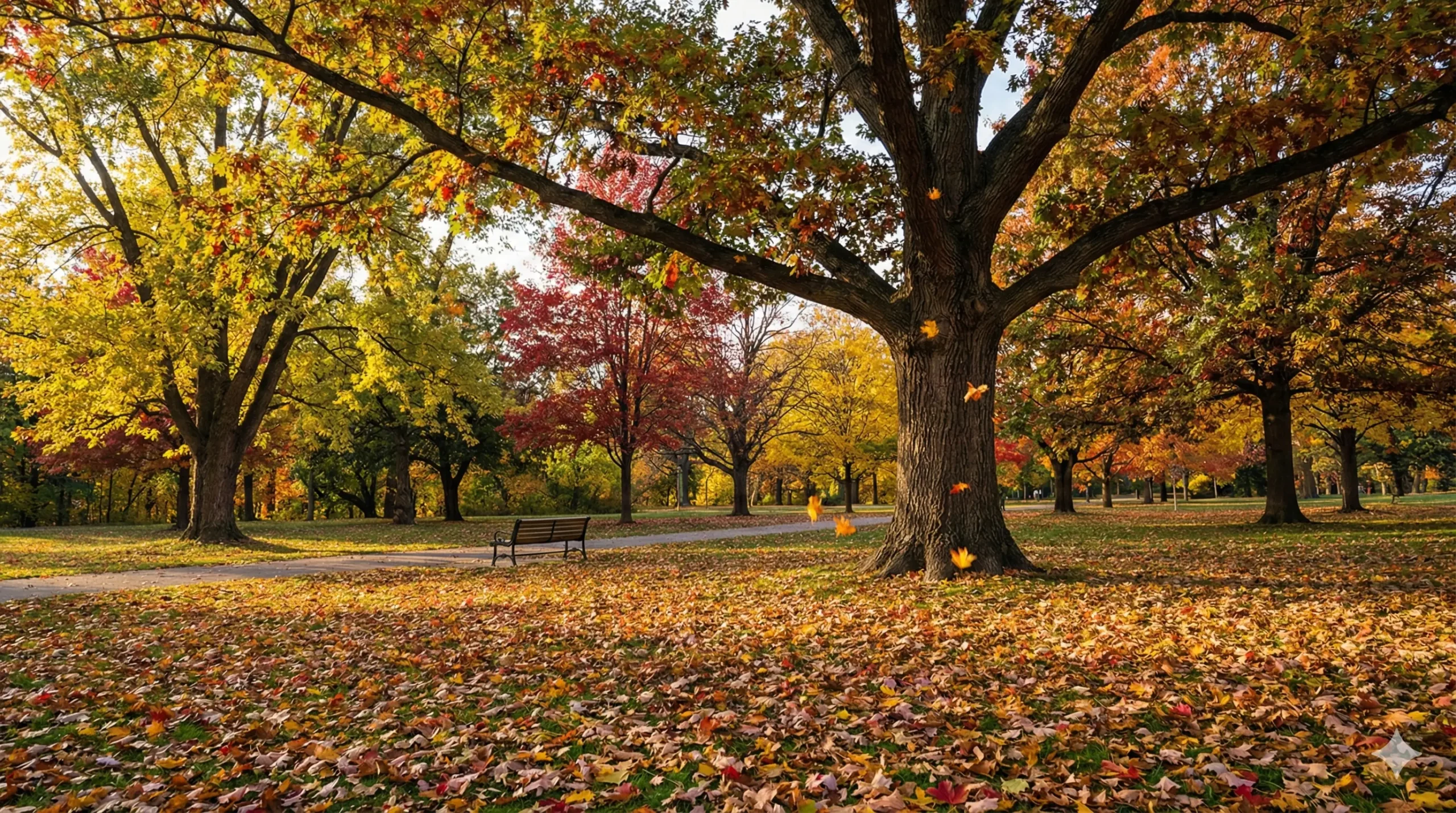
Since it was the beginning of the fall, it had made Laurier Park a multi-colored portrait. Trees were competing with each other, trying to show the park goers which looked prettier with yellow, red, and orange leaves. Sadly, though, those beautiful leaves also signaled the end of their life cycle. In a matter of days or a week, leaves would start to fall one after the other.
The tree could beg, cry, and plead with all its might, pray to the Sun God or any other deity overlooking nature, but none of that would stop the leaves from falling. The earth was patiently waiting for their arrival. It had nourished the tree with water and other ingredients for the tree to produce those leaves, and now it was fair enough for the earth to be given its due share. The process was eternal. Until a tree falls down, the earth keeps feeding the trees while the trees keep returning the leaves to nurture the earth, making its soil fertile.
None of them were tired or complained about the waiting time or the share of what they got. No wars, governments, revolutions, austerity measures, liberals, communists, nationalists, or even the social media influencers could change this orderly action ever. Every year it happened without preconditions, agreements, or demands. Far more subtle and honorable than human transactions in every sense. It was also a stark reminder of what life really meant: from the earth and back to it. One leaf after another. The colors, size, or shape did not matter. They all had to go back. I felt such an emptiness just by seeing those leaves.
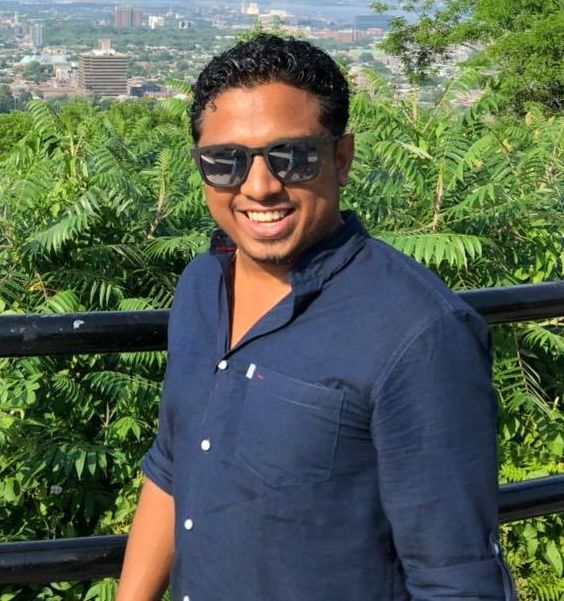
Dhanuka Dickwella is a distinguished Sri Lankan poet, author, and multifaceted professional whose work spans literature, geopolitics, and social activism. Holding a Master’s degree in International Relations, he has established himself as an expert in geopolitics and geoeconomics, fields that inform his analytical and creative endeavours.
His professional portfolio includes significant editorial and journalistic roles: he serves as the Executive Editor of The Asian Reviews magazine, a platform dedicated to bridging the literary worlds of East and West. Additionally, he contributes as a guest writer for the Chicago-based Armenian Mirror-Spectator, focusing on geopolitical issues in the Caucasus region, and as a columnist and guest speaker for Force, an Indian magazine addressing security and defense matters. Dickwella’s career in public service is equally notable. Dhanuka Dickwella is the Chief Coordinator for Canada for the Panorama International Literature Festival 2026. He has been actively involved in Sri Lankan politics, having served as a grassroots politician, political campaign director, and council member of a local government body in a rural Sri Lankan town. Prior to his political engagements, he founded and led a foundation dedicated to empowering youth and supporting underprivileged communities, reflecting his commitment to social equity. Currently, he advises youth groups on political activism and broader political trends, leveraging his extensive experience to foster the next generation of civic leaders. Beyond his analytical and political pursuits, Dickwella is a celebrated poet and blogger whose literary work explores the complexities of human emotion and experience. His debut poetry collection, Voices of Lust, Love and Other Things, showcases his ability to weave personal narrative with universal themes. An ardent climate and social activist, he champions sustainable development and social justice, driven by a vision of a better world for future generations. A proud Sri Lankan patriot, Dickwella is also a devoted father to his daughter, whose influence is a cornerstone of his personal and creative life. Dhanuka Dickwella’s diverse achievements reflect a rare synthesis of intellectual rigor, artistic expression, and civic dedication, positioning him as a prominent voice in both Sri Lankan and global contexts.
Leave a Reply